
.gif)



Building the electro-economy is now tech's hottest vertical.


For years, the story of Europe's energy has been a story of dependence. Running on fuel it does not own, shipped through waters it does not control. That story is now being rewritten, and the companies rewriting it have become the hottest vertical in tech. Building the foundation of the electro-economy, the grids, the storage, the machines that run on electrons instead of fuel, is where talent, capital and momentum are now converging.
Today we publish the Norrsken100, our annual selection of the most promising early-stage startups solving global challenges at scale by outperforming the legacy models that created them. They shape what comes next, and this year's edition is proof of how the first wave of impact tech has fundamentally beaten fossil alternatives by becoming better, faster and cheaper.
The Norrsken100 is compiled from over 1400 nominations, sourced from 80 of the world’s top early-stage investment funds. Of the hundred companies selected for the final list, 26 work in energy and electrification, the single largest sector on the list, up 44% from a year ago. That they arrive in force now is not an accident. Building the electro-economy has moved to the commercial frontier, pushed there by two forces at once.
The first is artificial intelligence. The race to build it is, before anything else, a race for energy. Training a single frontier model consumes as much electricity as thousands of homes use in a year, and the IEA expects global data-centre demand to more than double by 2030. That demand will be met mostly by renewables, because they are the cheapest and fastest power to bring online. Intelligence flows to wherever electricity is abundant and cheap.
"Building the foundation of the electro-economy is where talent, capital and momentum are now converging."
The second force, and the more urgent for Europe, is independence. This year brought another energy crisis, the third price shock in four years. The trigger changes each time, but the exposure does not. Europe pays for fuel it imports at prices set by events beyond its control. Every terawatt-hour of power produced at home is one no foreign government can embargo, blockade or switch off.
Those two forces together are what moved Brussels. On 17 July, the European Commission committed to making Europe the world's first electro-continent, with an indicative target to roughly double electricity's share of the economy by 2040 and an action plan behind it. The vision the Electro Union campaign argued for is now official policy.
Underneath the politics sits an economic engine that is now hard to stop. Last year, 91 percent of new renewable projects were cheaper than the fossil alternative. In both the United States and China, roughly 90 percent of new power capacity came from renewables. Solar and wind are the lowest-cost and fastest-growing sources of new electricity in every major market, and in 2026 renewables are on track to overtake coal as the world's largest source of electricity generation.
This creates a flywheel effect. Cheaper clean power pulls more of the economy onto electricity. Electrification raises demand for storage and grid intelligence. Better storage and smarter grids push costs down again, which pulls in more electrification. Each turn feeds the next. It is why the IEA projects $2.2 trillion flowing into clean energy and electrification this year, against $1.2 trillion into fossil fuels. For every dollar going into oil, gas and coal, close to two now go into clean power.
That global figure has a European echo in our own data. In our European Impact Index, energy and electrification is the most attractive sector for impact capital by a wide margin. 37 percent of investors name it their top sector, more than three times the share choosing the next. So the demand is set, and the capital is ready. The Norrsken100 shows that the companies exist to meet them.
When the Commission set its course, it also named the barriers that stand between Europe and an electrified economy: a grid under strain, too little storage, and the corners of industry and transport that electricity has not yet reached. These are markets now being opened by the companies on the Norrsken100.
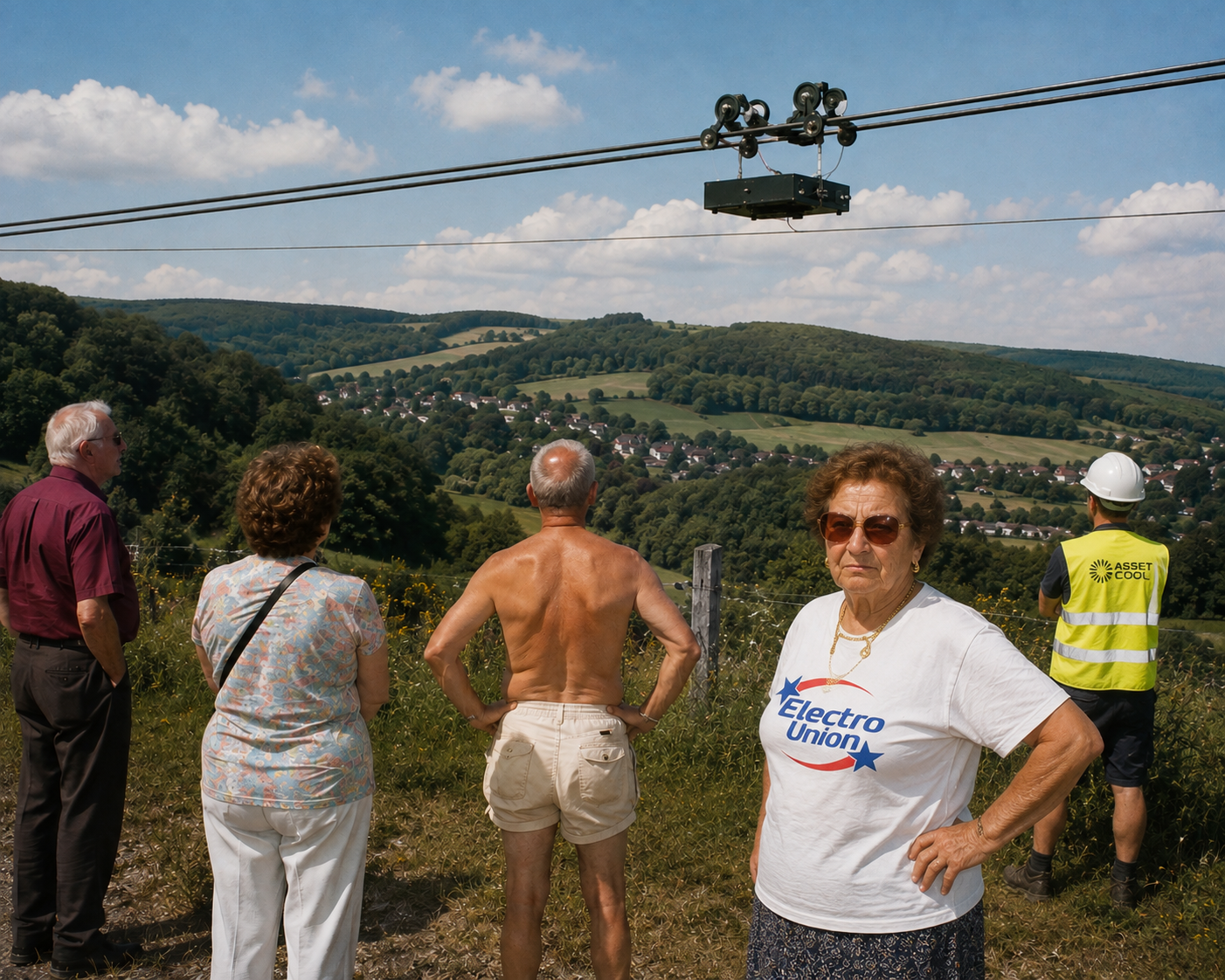
Start with the grid, the constraint the Commission worries about most. AssetCool sends robots to coat existing power lines so they run cooler and carry up to 30 percent more electricity, adding capacity without a single new pylon. IONATE is rebuilding the transformer, the grid's 130-year-old workhorse, into one that steers power flows in real time. Enline uses digital twins to reveal the true capacity of lines already in the ground, unlocking headroom that static ratings waste. More power from the wires Europe already has, with nothing new built.
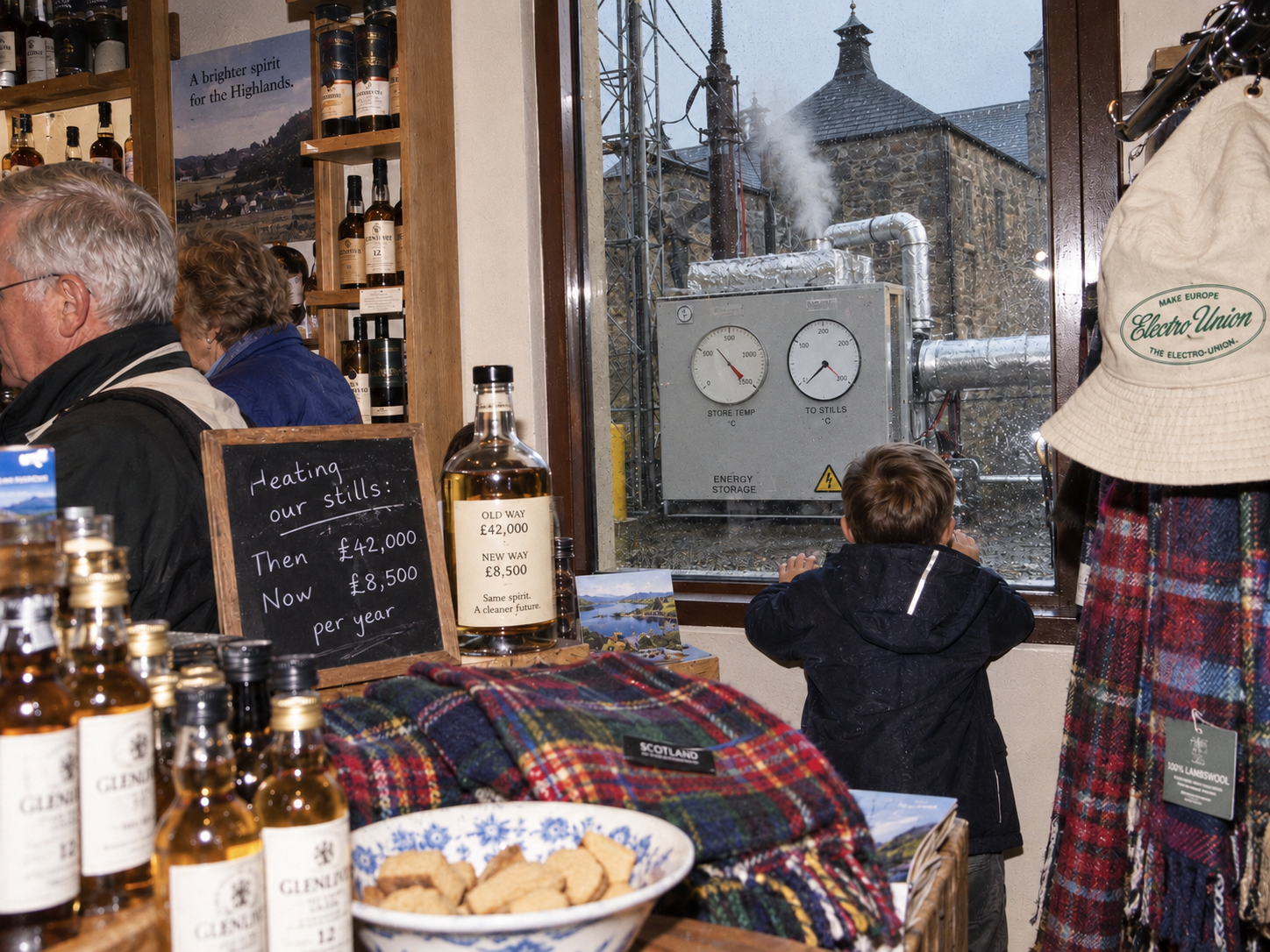
Then storage, which turns power that arrives when the wind blows into power available when it is needed. Ore Energy builds iron-air batteries that hold days of wind and sun rather than hours. Entrix trades gigawatts of battery capacity so cheap renewable power is available around the clock. Axle Energy links millions of home batteries, electric cars and heat pumps into a single flexible power plant. Exergy3 stores surplus electricity as heat up to 1,200 degrees for industry to draw on later.
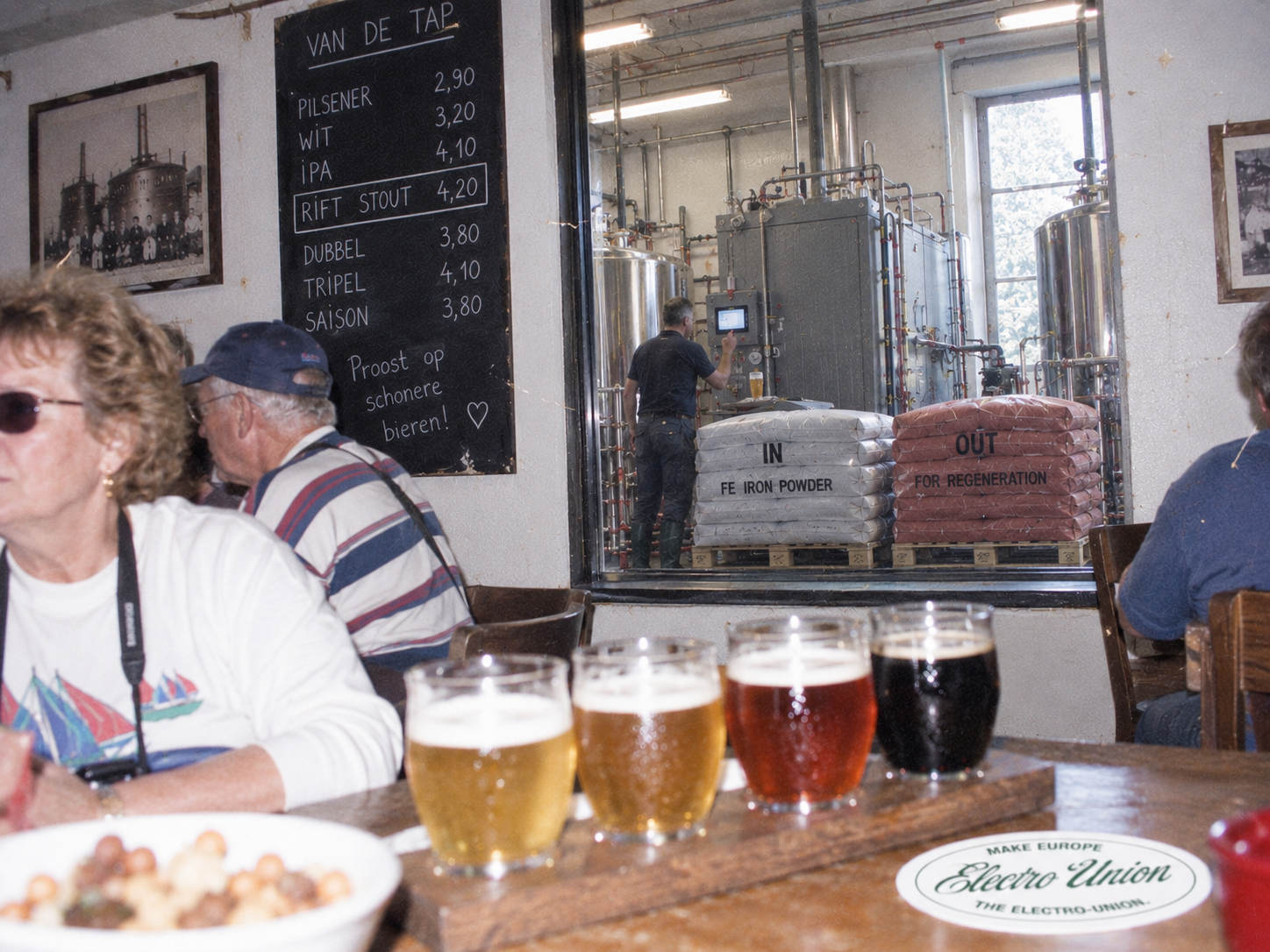
Then the hardest cases, the parts of the economy electricity has struggled to reach. Metafuels converts clean electricity into jet fuel. RIFT and Enerin deliver high-temperature industrial heat from electrons instead of gas. Trawa moves Germany's Mittelstand onto smart clean power contracts, turning thousands of small manufacturers into buyers of clean power. Galvany installs heat pumps as a service, electrifying Germany's boiler rooms one contract at a time.
Europe has decided to become an electro-economy, and the Norrsken100 shows that the companies to build it are already here.
Browse through the full Norrsken100 2026 list: norrsken.org/100
Sara Kappelmark,
CEO Norrsken Foundation
