
.gif)


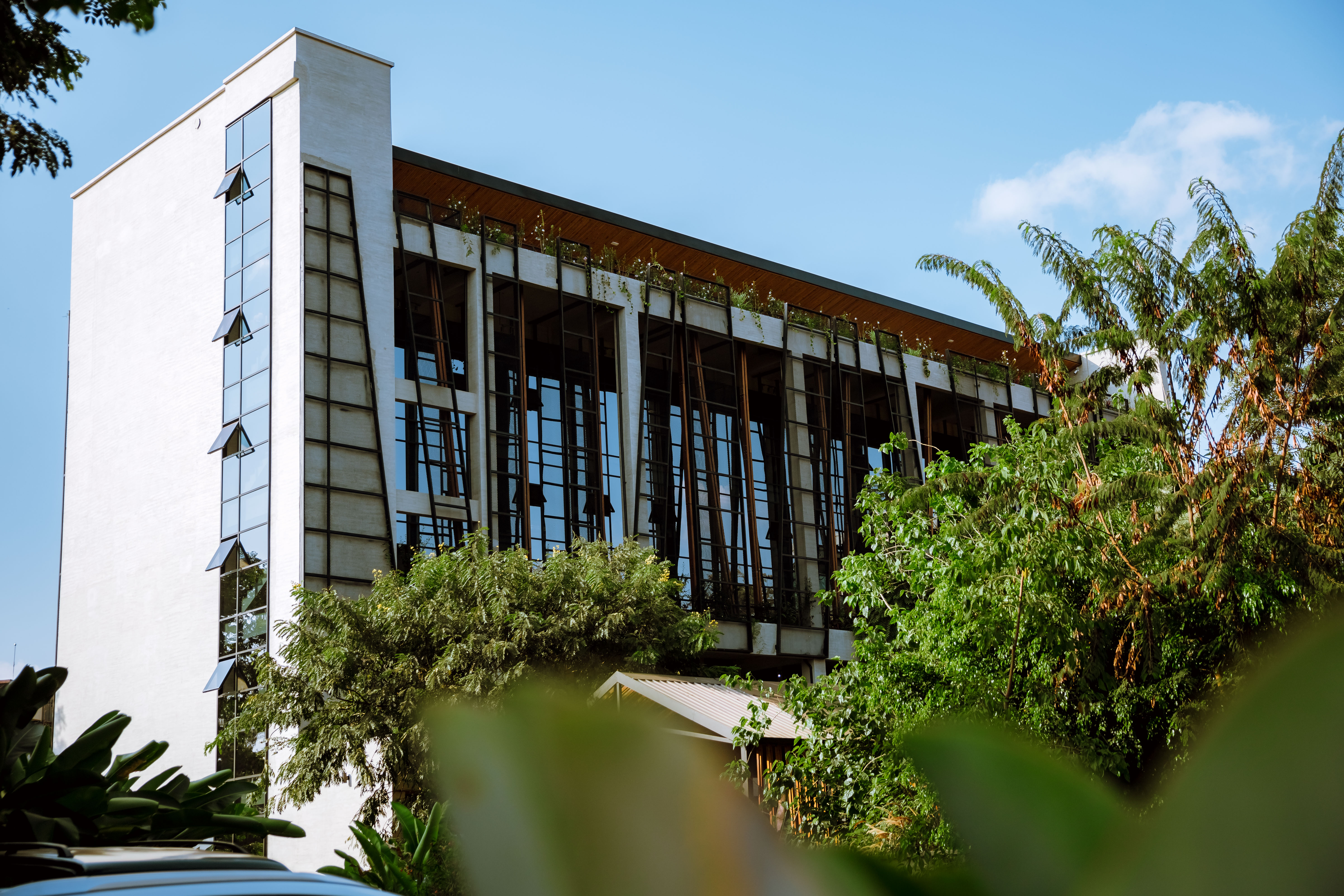

Serial entrepreneur and author Stefan Krook looks beyond technological innovation and towards systemic change: a necessary parameter for an economy that thrives within planetary boundaries.


At the end of June, Per Frykebrant at Norrsken sent us into summer with an inspiring article: The vocabulary of winning: why we're talking differently about climate.
The language around climate is changing. Years of product innovation have made solar, batteries and other clean technologies better and cheaper. As they become competitive on their own merits, they increasingly enter the mainstream market and adopt its language: competitiveness, resilience and profitability rather than sacrifice and responsibility.
When sustainable solutions become simply good business, they can scale far beyond those motivated primarily by climate concerns.
Anyone who has built a startup knows that victories matter. You need to celebrate them. They create energy, confidence and momentum for the next stage.
This win is worth celebrating.
Then, in July, an IMF working paper arrived with a useful reminder that the long game is far from won.
Looking at more than two centuries of economic history, the authors find that new energy sources have generally not replaced old ones but been added on top. They also describe a Generalized Jevons Paradox: greater efficiency in our use of energy and materials has historically gone hand in hand with greater total resource use.
Adding to this challenge, climate is not sustainability. It is one of nine planetary boundaries, seven of which humanity has now crossed. If we solve one problem while increasing pressure on other scarce natural resources, we risk moving the problem rather than solving it.
Innovation has already achieved extraordinary things. Now we need to give it a new brief, better suited to the challenges we face today.
Our current economic system effectively says:
Produce as much as possible at the lowest possible cost, without properly accounting for nature.
Economics is fundamentally about managing scarce resources. Our economic system needs to reflect what has become scarce.
So imagine giving the market a different brief:
Create maximum consumer value with the lowest possible use of natural resources.
That would intensify the kind of product innovation we are already seeing, but also take innovation much further. With the right incentives, we could accelerate business model innovation through circularity, products designed to last, repair and reuse, sharing models and solutions we have not yet imagined. And ultimately, we can drive innovation at the system level too.
This is the idea at the heart of the Laghum Economy: a flourishing economy within planetary boundaries.
Concern created engagement. Engagement helped create the will to innovate. Now that innovation has shown what it can achieve, the next challenge is to update the operating system that markets run on.
Not because markets have failed us. Markets are extraordinarily powerful. But they respond to the rules and incentives we give them.
So let's take the positive summer message with us. We have won battles worth celebrating. They should give us confidence that much bigger change is possible.
But now summer is over. Time to get back to work.
The real victory is still ahead: a flourishing economy within planetary boundaries.
And we have never been better equipped to achieve it.
Let's put our innovation to work and make it happen.
Stefan Krook is a serial entrepreneur (EY Entrepreneur of the Year 2025 Sweden), Practitioner in Residence at Stockholm School of Economics and author of The Laghum Economy.